

Frequently Asked Questions
What is drug trafficking under New York law?
Drug trafficking generally refers to selling, distributing, transporting, or possessing large quantities of controlled substances with intent to sell.
How is drug trafficking different from simple possession?
Simple possession involves using drugs personally. Trafficking implies intent to sell, distribute, or supply others.
What drugs are commonly charged under trafficking statutes?
Cocaine, heroin, methamphetamine, prescription opioids, marijuana (in some cases), and other controlled substances under New York law.
Can I be charged with trafficking if I never sold drugs?
Yes. Possession of large quantities, packaging materials, or cash may be used as evidence of intent to sell.
What should I do if I am arrested for drug trafficking?
Remain silent and request a lawyer immediately. Do not answer questions without legal representation.
Can police search me, my car, or my home without a warrant?
Only under certain circumstances. Illegal searches can be challenged in court and may lead to suppression of evidence.
How do undercover operations affect trafficking charges?
Evidence from undercover buys or surveillance is admissible, but defense attorneys often scrutinize legality and entrapment issues.
Can a trafficking charge be reduced to a simple possession charge?
Often, yes. Early legal intervention can lead to plea agreements or charge reductions.
Do trafficking charges carry mandatory minimum sentences?
Some charges and large quantities may trigger mandatory minimums, especially for heroin, cocaine, or federal charges.
Schedule A Consultation
New York Drug Trafficking Lawyer
Drug trafficking charges are among the most serious criminal accusations in New York. Unlike simple possession, trafficking allegations suggest large scale drug activity, distribution networks, and intent to sell, and these cases can quickly expand into federal court exposure, international drug investigations, money laundering allegations, and other ancillary charges such as conspiracy or weapons offenses. These prosecutions often involve multiple agencies, harsh sentencing ranges, and aggressive tactics designed to overwhelm the accused. If you are accused of drug trafficking in New York City or anywhere in the state, it is critical to understand how these charges work and why experienced legal representation matters immediately.
What Is Drug Trafficking Under New York Law
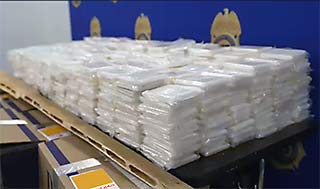 Drug trafficking generally refers to the manufacture, sale, transportation, or large scale possession of controlled substances. In New York, the term trafficking is not always used directly in the statute. Instead, trafficking conduct is charged through felony offenses involving possession with intent to sell or actual sale of controlled substances in significant quantities.
Prosecutors often rely on circumstantial evidence to claim trafficking activity. This may include the amount of drugs involved, packaging materials, cash, communications, or alleged surveillance. A person does not need to be caught selling drugs to face trafficking level charges.
Drug trafficking generally refers to the manufacture, sale, transportation, or large scale possession of controlled substances. In New York, the term trafficking is not always used directly in the statute. Instead, trafficking conduct is charged through felony offenses involving possession with intent to sell or actual sale of controlled substances in significant quantities.
Prosecutors often rely on circumstantial evidence to claim trafficking activity. This may include the amount of drugs involved, packaging materials, cash, communications, or alleged surveillance. A person does not need to be caught selling drugs to face trafficking level charges. Drug trafficking charges are frequently used as leverage by prosecutors. Even when evidence of actual sales is weak, law enforcement may upgrade a case based on weight thresholds or alleged intent to sell. This allows the prosecution to pursue harsher penalties and pressure defendants into plea agreements.
In many cases, individuals accused of trafficking are not high level dealers. They may be users, couriers, or people present during an arrest. Police often rely on assumptions rather than direct proof. This is where a skilled criminal defense lawyer can intervene early and reshape the case.
Intent to Sell Allegations
The most common way trafficking charges are brought is through intent to sell. Prosecutors will argue that the quantity of drugs alone proves intent. They could also point to baggies, scales, text messages, or cash. Intent is not the same as proof. The law requires the prosecution to establish criminal intent beyond a reasonable doubt. Many intent to sell cases fall apart after close legal scrutiny by an experienced criminal defense lawyer.
Conspiracy and Group Arrests
Drug trafficking cases often involve multiple defendants. Police may charge everyone present at the scene with the same offenses regardless of their actual role. Conspiracy allegations are frequently added to expand liability. A defense lawyer can challenge whether a defendant knowingly participated in any criminal enterprise or had control over the alleged drugs.
New York Penal Code Sections Used in Drug Trafficking Cases
Drug trafficking related charges are primarily found in New York Penal Law Article 220. Marijuana related offenses may fall under Article 221 for conduct before legalization or unlicensed sales.
Common statutes include:
Criminal Sale of a Controlled Substance
These offenses apply when prosecutors allege an actual sale or transfer of drugs. Higher degrees are based on drug type, weight, and prior convictions.
Penal Law 220.31 Criminal Sale in the Fifth Degree is a class D felony
Penal Law 220.39 Criminal Sale in the Third Degree is a class B felony
Penal Law 220.41 Criminal Sale in the First Degree is a class A I felony
Criminal Possession With Intent to Sell
Possession charges are often used to allege trafficking without proof of a sale. Weight thresholds are strict and can trigger mandatory sentencing exposure.
Penal Law 220.16 Criminal Possession in the Third Degree is a class B felony
Penal Law 220.18 Criminal Possession in the Second Degree is a class A II felony
Penal Law 220.21 Criminal Possession in the First Degree is a class A I felony
Penalties for Drug Trafficking in New York
Drug trafficking penalties in New York are severe and escalate quickly. Felony convictions can result in state prison sentences, long term parole, and permanent criminal records.
Prison and Incarceration
Class B felonies can carry up to 25 years in prison. Class A felonies can result in sentences ranging from 8 years to life depending on the statute and circumstances.
Although sentencing reforms have reduced mandatory minimums in some cases, judges still impose significant incarceration for trafficking related convictions.
Fines and Asset Forfeiture
In addition to prison, courts may impose heavy fines. Law enforcement may also seek forfeiture of cash, vehicles, and property allegedly connected to drug activity.
Asset forfeiture cases are separate legal proceedings that require immediate defense attention.
Collateral Consequences
A drug trafficking conviction affects far more than jail time. Consequences may include loss of employment, housing issues, immigration consequences for non citizens, professional license revocation, and lifelong barriers to opportunities.
How a Criminal Defense Lawyer Can Help Reduce Drug Trafficking Charges
An experienced New York drug trafficking lawyer does far more than negotiate pleas. Early intervention can change the entire trajectory of a case.
Challenging Illegal Searches and Seizures
Many trafficking cases begin with unlawful searches. Police may rely on illegal stops, invalid warrants, or unconstitutional surveillance. If evidence is suppressed, the prosecution may be forced to dismiss or significantly reduce charges.
Attacking Weight and Substance Testing
The prosecution must prove the exact weight and chemical composition of the alleged drugs. Errors in laboratory testing, chain of custody, or evidence handling are common and can undermine felony charges.
Disputing Intent and Knowledge
Possession alone does not equal trafficking. A defense lawyer can argue lack of intent, lack of knowledge, or lack of control over the drugs. These defenses are especially effective in shared spaces or vehicle arrests.
Negotiating Reduced Charges
In many cases, trafficking charges can be reduced to lesser possession offenses or non felony dispositions. Prosecutors are often willing to reassess cases when weaknesses are exposed early.
Preparing for Trial
When necessary, a criminal defense lawyer prepares the case for trial. This includes cross examining police officers, challenging informants, and exposing unreliable evidence. Prosecutors are less likely to pursue extreme charges when facing an aggressive and prepared criminal defense lawyer.
Why Early Legal Representation Matters
Drug trafficking cases move fast. Prosecutors build narratives early and seek bail or detention based on the seriousness of the allegations. Statements made to police and delays in hiring counsel can severely damage your defense.
A New York drug trafficking lawyer protects your rights from the beginning and positions the case for the best possible outcome.
Speak With a New York Drug Trafficking Lawyer Today
If you are facing drug trafficking charges in New York, your freedom and future are at stake. These cases are complex, high risk, and aggressively prosecuted. You should not attempt to handle them alone.
An experienced criminal defense lawyer can evaluate the evidence, explain your options, and fight to reduce or dismiss the charges against you. Early action can make the difference between prison and freedom.
Contact the Law Offices of Michael S. Discioarro today to defend your rights against gun charges, call 917-519-8417 for a consultation today!