


Frequently Asked Questions
What is considered drug possession under New York law?
Drug possession occurs when a person knowingly has a controlled substance on their person, in their vehicle, or in a location they control.
How is possession different from trafficking?
Possession is for personal use, while trafficking involves intent to sell or distribute drugs.
Does it matter what type of drug is involved?
Yes. Penalties vary depending on the substance, whether it’s marijuana, cocaine, heroin, prescription drugs, or other controlled substances.
Can I be charged with possession even if I didn’t buy or sell the drug?
Yes. Simply having control or access to the drug can lead to a charge.
What is “constructive possession”?
Constructive possession occurs when drugs are found in a place you control, like your home or car, even if they are not on your person.
What should I do if I am arrested for drug possession?
Remain silent and ask for a lawyer. Anything you say can be used against you in court.
Can police search me or my property without a warrant?
Only in limited circumstances. Illegal searches can be challenged and evidence may be suppressed.
How do I choose the right drug possession lawyer?
Look for experience with New York criminal law, trial experience, knowledge of local courts, and a lawyer who communicates clearly and advocates aggressively for your rights.
Schedule A Consultation
NYC Drug Possession Lawyer
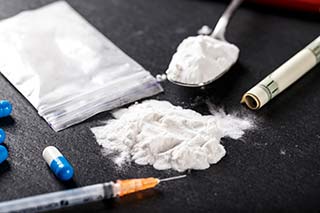 Drug possession charges are one of the most common reasons for an arrest in New York City. According to NYPD statistics, tens of thousands of people are arrested each year for drug possession offenses. Many of these cases involve small amounts, questionable searches, or circumstances where treatment or dismissal would be more appropriate than prosecution.
If you have been arrested for drug possession, an experienced NYC drug possession lawyer can often have charges reduced or dismissed entirely.
Drug possession charges are one of the most common reasons for an arrest in New York City. According to NYPD statistics, tens of thousands of people are arrested each year for drug possession offenses. Many of these cases involve small amounts, questionable searches, or circumstances where treatment or dismissal would be more appropriate than prosecution.
If you have been arrested for drug possession, an experienced NYC drug possession lawyer can often have charges reduced or dismissed entirely. Drug Possession Arrests in New York City
Despite shifting attitudes toward drug use, NYPD officers continue to make a high volume of possession arrests across all five boroughs. These arrests frequently arise from:
- Traffic stops
- Domestic Violence
- Searches incident to arrest
- Stop and frisk encounters
- Probation or parole checks
In many cases, possession charges are filed even when drugs were not found on a person directly, but were allegedly within reach or control. Police and prosecutors often overcharge early and sort out the details later.
An arrest does not mean the case is strong.
What Is Drug Possession Under New York Law?
Drug possession is defined under Article 220 of the New York Penal Law. A person may be charged if prosecutors believe they knowingly and unlawfully possessed a controlled substance.
Possession does not always mean the drugs were found in your pocket. Prosecutors may allege:
- Actual possession
- Constructive possession means control over the area where drugs were found
- Joint possession involving multiple people
These allegations can often be challenged successfully by a NYC criminal defense attorney.
Common Reasons The NYPD Charges Drug Possession
Police frequently charge possession based on minimal evidence. Common scenarios include:
- Drugs allegedly found in a car with multiple occupants
- Drugs recovered from a shared apartment or home
- Small quantities discovered during an unrelated arrest
- Items assumed to be drugs without proper testing
- Statements made before Miranda warnings were given.
Many possession cases are built on assumptions rather than proof beyond a reasonable doubt.
Types of Drugs Commonly Charged in NYC
New York drug possession cases typically involve the following categories:
Controlled Substances
These include cocaine, heroin, fentanyl, methamphetamine, MDMA, and prescription drugs without a valid prescription.
Prescription Medications
Charges often involve oxycodone, Adderall, Xanax, or other medications allegedly possessed unlawfully.
Marijuana
While possession of small amounts is largely legal, arrests still occur when police claim intent to sell, public display issues, or possession over legal limits. Even though marijuana was legalized in New York state, driving under the influence can lead to DUI charges.
Hallucinogens and Other Substances
LSD, ketamine, psilocybin, and similar substances are still prosecuted under New York law.
Each category carries different penalties depending on the quantity and the circumstances.
New York Penal Law Drug Possession Charges
Drug possession charges are divided by degree, based primarily on drug type and weight.
Criminal Possession of a Controlled Substance in the Seventh Degree, Penal Law §220.03
This is the most common possession charge in NYC and is a misdemeanor.
Criminal Possession of a Controlled Substance in the Fifth Degree, Penal Law §220.06
This felony applies when possession exceeds certain weight thresholds or involves specific drugs.
Criminal Possession of a Controlled Substance in the Third Degree, Penal Law §220.16
A serious felony involving larger quantities or intent related factors.
Criminal Possession of a Controlled Substance in the Second and First Degrees, Penal Law §220.18 and §220.21
These are high level felonies involving large quantities, often tied to drug trafficking investigations.
Each degree carries significantly different sentencing exposure.
Penalties for Drug Possession in New York
Misdemeanor Possession Penalties
A misdemeanor possession conviction can result in up to 364 days in jail, probation, fines, mandatory drug treatment, and a permanent criminal record.
Felony Possession Penalties
Felony convictions can lead to state prison sentences ranging from one year to decades in prison, post release supervision, heavy fines, and loss of employment and housing opportunities.
Even low level felony possession charges can have lifelong consequences.
Collateral Consequences of a Drug Possession Conviction
Beyond jail or prison, a conviction can affect:
- Employment and professional licensing
- Immigration status
- Housing eligibility
- Student loans and education
- Child custody and family court matters
- Gun ownership rights
The consequences of a drug possession conviction can be worse than the sentence itself.
Why Drug Possession Cases Are Often Dismissed or Reduced
Many drug possession cases are legally weak. Common defense issues include:
- Illegal searches and seizures in violation of the Fourth Amendment.
- Lack of proof that the drugs belonged to the accused.
- Failure to properly test or weigh the alleged substance.
- Chain of custody errors.
Unlawful police questioning.
An experienced NYC drug possession lawyer can identify these flaws early and lead to a dismissal or a reduction in charges.
How a Criminal Defense Lawyer Helps
Our experienced defense attorney will:
- File motions to suppress illegally obtained evidence
- Challenge constructive possession claims
- Negotiate reductions to non criminal violations
- Seek dismissal through treatment based alternatives
- Prevent felony charges from being pursued
- Protect your record from permanent damage
Prosecutors often reassess cases when they face a strong, prepared defense.
Why You Should Not Handle a Drug Possession Case Alone
People who attempt to defend themselves often plead guilty too quickly, missing opportunities for dismissal or reduction. Prosecutors are not required to explain your options, and judges cannot give legal advice.
What seems like a minor possession case can quietly become a permanent obstacle to your future.
Consult With an NYC Drug Possession Lawyer Immediately
Drug possession charges move quickly through New York courts. Evidence can disappear, witnesses become unavailable, and early mistakes are difficult to fix later.
If you have been arrested for drug possession in New York City, contact an experienced NYC drug possession lawyer as soon as possible. Call Mr. Discioarro to protect your rights, 917-519-8417
With the right legal strategy, many possession cases can be reduced, diverted, or dismissed before they ever reach trial.